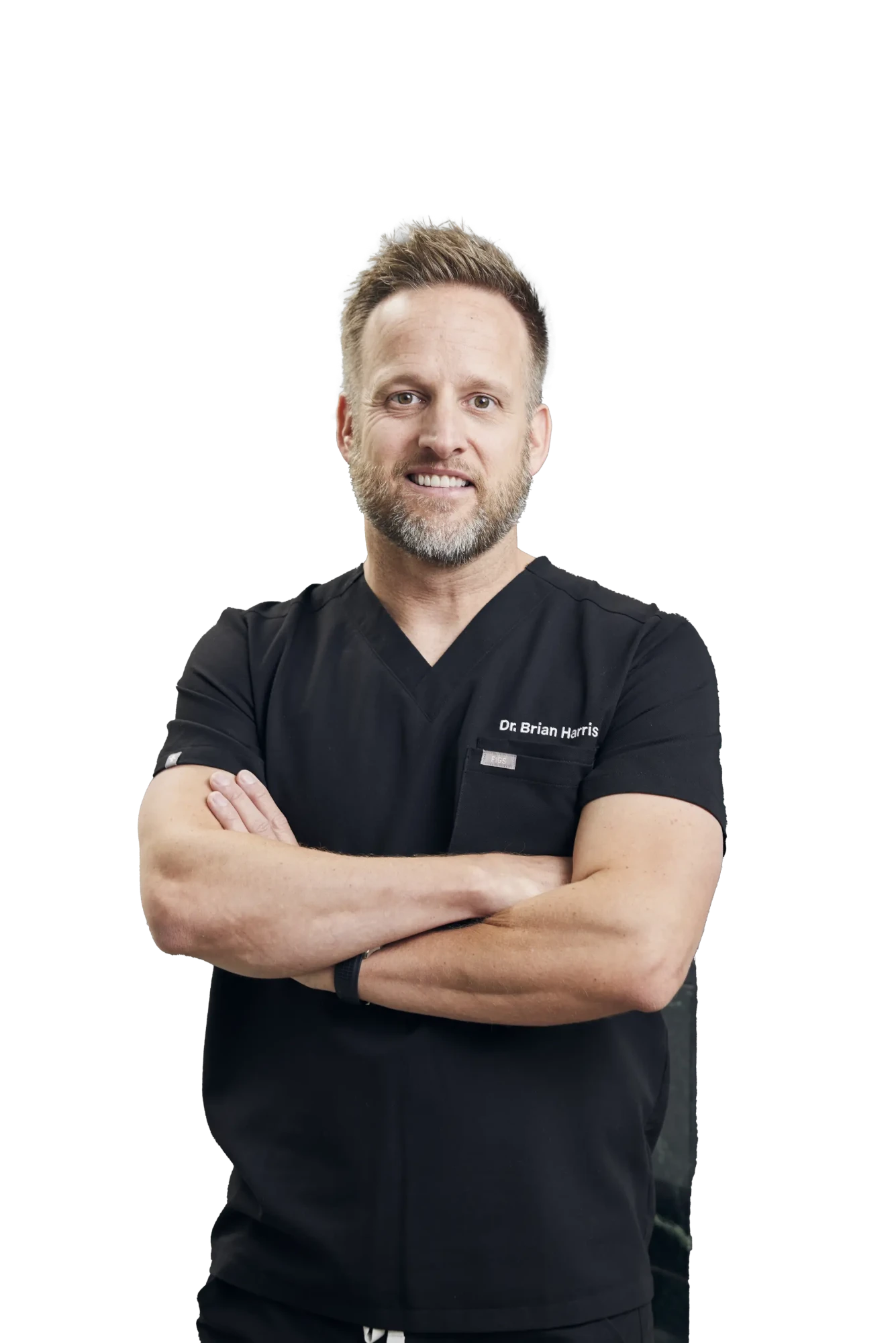
You filter for fit before patients ever walk in the door.
Cosmetic dentists using virtual consultations to pre-qualify patients report 80 to 90% case acceptance from those who convert to in-office visits, versus industry benchmarks that commonly land around 45%. The virtual consult is not a lead capture tool. It is a filter.
Quick Answer
Case acceptance in cosmetic dentistry is a fit problem, not a persuasion problem. The practices seeing 80 to 90% acceptance are the ones using virtual consultations upstream to screen for treatment match, price alignment, and doctor rapport before any chair time is spent. Fewer in-office consults, higher close rate per hour, and a book of patients who are already mostly sold before the handshake.
Key Takeaways
- Case acceptance in cosmetic dentistry is a fit problem, not a persuasion problem. Most cases that do not close were not going to close in the room either.
- Virtual consultations pre-qualify patients on the three things that actually break in-office consults: treatment match, price expectations, and doctor rapport.
- Dr. Jarett Hulse, a cosmetic dentist in Austin, Texas, converts roughly 30% of his virtual consultations into in-office visits, then closes 80 to 90% of those in-office patients on treatment.
- The math compounds. Fewer wasted chair hours, higher revenue per consult, and a book of patients who are already sold before you shake their hand.
- The approach is a best fit for niche and cosmetic-focused practices. High-volume general dentistry has different economics.
Case Acceptance Is a Fit Problem, Not a Sales Problem
Most of the industry conversation about dental case acceptance is really a conversation about closing techniques: how to present treatment plans, how to handle price objections, how to walk a patient from “let me think about it” to “let’s schedule it.”
Those techniques matter. But they are solving the wrong problem for cosmetic dentistry.
The reason most cosmetic cases do not close is not that the presentation was weak. It is that the patient in the chair was never a good fit for the treatment, or for the doctor, or for the price. By the time they are in the operatory, you have already invested an hour of chair time discovering something you could have known in five minutes.
Cosmetic dentistry is a high-consideration purchase. Patients are researching, comparing, and forming opinions before they ever call. Industry pricing data compiled by Glidewell Dental from the AACD State of the Cosmetic Dentistry Industry Survey puts the average fee per porcelain veneer in the low four figures, and that is the average: a full multi-unit case runs well into the five figures, and real-world fees vary dramatically by market, materials, and provider experience. Patients do not know that. They walk in expecting insurance to help. They walk in expecting the case they saw on Instagram. They walk in expecting a doctor who feels like the version of the practice they have been consuming online.
When any of those expectations misfire, the case does not close. Not because the dentist did anything wrong, but because the fit was not there to begin with. A virtual consultation is designed to catch that mismatch before it costs anyone an hour.
What the Numbers Actually Look Like
Dr. Jarett Hulse has been practicing in Austin for 21 years and running his own cosmetic-focused practice for the last 13. Around 60 to 70% of his production is now cosmetic and full-mouth rehabilitation, up from a much smaller share earlier in his career.
He has done thousands of virtual consultations over roughly six years. The pattern is consistent:
- Approximately 30% of virtual consultations convert to an in-office visit. Dr. Hulse notes this is in line with the platform-wide average.
- Of those in-office visits, 80 to 90% move forward with treatment.
- Compare that to typical dental practice benchmarks: the 2026 Henry Schein One Catalyst Index places industry-wide case acceptance at roughly 45%, with the top decile at 75% and above.
Do the math on 1,000 virtual consultations:
- Roughly 700 patients self-select out before consuming any chair time.
- Roughly 300 patients book an in-office visit.
- Roughly 240 to 270 of those move forward with treatment.
The comparison is not 30% versus 85% in a vacuum. It is what happened to your calendar and your team’s energy in the process. The 700 who did not come in received a thoughtful video response, learned what treatment might cost, and made an informed decision to look elsewhere or wait. They did not take an hour of an operatory. They did not take an hour of your treatment coordinator’s attention. And they did not leave with a bad taste in their mouth about a practice they discovered was not a fit.
The Three Things a Virtual Consultation Filters For
Every cosmetic case that fails to close in the room usually fails for one of three reasons. A virtual consultation catches each of them upstream.
1. Treatment Mismatch
Dr. Hulse describes a patient who booked a same-day in-office consult without doing a virtual consult first. She had a genuinely pretty smile with tiny chips on her teeth, chips you could barely see. She thought a quick composite patch would solve it.
“I told her that we can maybe patch it, but they’re really kind of temporary if we do that because they’re so small,” he said. “That’s what people usually think you can do. We can, but it’s not, you know, a long-term solution.”
The real solution for her situation was different from what she came in expecting. She called back and said it was not what she was looking for.
That is a good outcome. Nobody wasted anyone’s money or made a decision they would regret. But it took an hour of chair time to reach it. A five-minute virtual exchange would have surfaced the same mismatch before the appointment was ever booked.
2. Price Shock
Dr. Hulse is direct about this one: dentists are often awkward about price, and patients arrive with almost no reference point for what cosmetic work costs.
“Patients have no idea what things cost,” he said. “It’s a lot easier to do it to a video, and if you mess up, you can do it again.”
A virtual consultation lets you name the range up front, on record, in a format the patient can rewatch. If the number is outside their range, they self-select. If it is inside their range, they arrive at the in-office visit already past the biggest single objection dentistry faces.
3. Doctor Rapport
This is the one most practices underestimate. Cosmetic dentistry is a relationship purchase. Patients are choosing a person as much as a procedure.
Dr. Hulse does not try to be someone he is not on camera. He does not pose with luxury watches or write inspirational captions. “I just be myself, and I write, I say silly things, and I talk about the industry.”
Not every patient connects with that. That is the point. The ones who do connect show up in the operatory already sold on the doctor. The ones who do not never book. Either outcome is better than a mismatched in-office visit that ends in a polite decline.
Why This Works Best for Niche and Cosmetic Practices
The strategy is asymmetric. It works better the more specific your practice is.
A high-volume general dentist who takes most insurances and sees a wide range of cases does not gain as much from filtering, because most of the appointment mix is straightforward. Fillings, cleanings, and single crowns do not require the same level of pre-alignment on fit or price.
A cosmetic-focused practice, or any practice with a specific service line it is known for (rehabilitations, implants, orthodontics, cosmetic composites), operates on different economics. Fewer cases, higher stakes per case, longer decision cycles, larger price tags. Every hour of chair time given to a patient who was never going to close is expensive. Every hour given to a patient who is 80% sold before the visit is a compounding win. The Cosmetic Growth Playbook for Dentists frames this as one of the five channels of case flow: filtering is not in tension with growth, it is a component of it.
If your practice is doing anything specific, virtual consultations pay off harder than they do for the practice down the road that does everything.
What Virtual Consultations Do Not Do
A virtual consultation is not a diagnostic exam. It is not a treatment plan. It is a screening and rapport-building conversation.
It also takes real time to do well. Dr. Hulse has recorded thousands of them, and personalized video takes minutes per patient, not seconds. Practices that expect a virtual consultation to be free and instant misunderstand what makes it work. (Recording reusable video intros for common questions helps, but the personalization is the point.)
And it does not replace strong marketing upstream. Virtual consultations are a call-to-action, not a source of demand. You still need to be visible, to have social proof, and to give patients a reason to reach out in the first place. What virtual consultations do is convert that demand at a much higher rate, with far less wasted chair time on the way there.
Key Insights
- The case acceptance rate you report to your team is not the number that matters. The number that matters is revenue per consult hour, which improves dramatically when you pre-qualify.
- Filtering out low-fit patients is the same as closing them. Both outcomes free the operatory back onto your calendar.
- Personalized video responses build a library of high-trust content you can reuse for common questions, which reduces per-consult time over the year.
- Virtual consultations should be the primary call-to-action on every marketing surface: website, social, email, paid ads. Practices that treat them as an afterthought leave most of the compounding value on the table. The 2026 State of Dental Practice Marketing Report has more on where practices are placing that CTA today.
- The strategy is asymmetric. Niche, cosmetic, and specialty practices gain the most; high-volume general dentistry gains the least. Practice case studies illustrate what the numbers look like in real books of business.
See What Cosmetic-Focused Case Acceptance Looks Like on the Platform
Dr. Hulse’s book is not the only one running these numbers. Cosmetic practices across the Smile Virtual network are pre-qualifying patients the same way, and the operational impact (fewer wasted consult hours, higher revenue per in-office visit, cleaner patient fit) compounds every month it runs.
If you want to see what the full workflow looks like, from intake through the recorded consult to the in-office handoff, the dentists page walks through it.