Most patients who say “let me think about it” aren’t saying no to dentistry. They’re saying they don’t feel sure yet. They aren’t sure about the diagnosis, about the cost or about whether this is the right practice. The practices that grow in 2027 will be the ones that use technology to answer those doubts before the patient ever sits in the chair.
Quick Answer
To start 2027 strong, use technology to build patient trust before the consult, not to replace the dentist. In practice that means three things. Offer a virtual consult option (52.5% of practices in our benchmark still don’t). Put AI to work on admin and patient education while clinical decisions stay with you. Then follow a focused 90-day plan for Q1 instead of trying to overhaul everything in January. Our free 15-page resource, Start 2027 Strong! Leveraging Technology in Your Dental Practice, gives you the benchmark data, the framework and the month-by-month plan.
Key Takeaways
- Patients delay treatment because they feel uncertain, not because they reject care. Trust is the conversion lever.
- More than half of the 40 practices we benchmarked (52.5%) offer no virtual consult option or see patients in person only.
- 43.3% of U.S. dentists already use AI for at least one task, but fewer than 5% let it near treatment recommendations. That’s the right line to hold.
- Two in three practice owners spend three hours or less a week on marketing, so the tools you choose have to work while you’re chairside.
- A 90-day plan with a readiness scorecard beats a January resolution you’ll drop by February.
Get the free Start 2027 Strong resource →
The Real Reason Patients Delay Treatment: The Trust Gap
You present a sound treatment plan. The patient nods, takes the printout and never schedules. It’s easy to blame price, but price is usually the last objection, not the first.
The first one is uncertainty. When a patient doesn’t fully understand what you saw, why it matters or what the result will look like, the safest choice in their mind is to wait. Pearl’s Dental Patient Trust & Technology Survey found that one-third of patients have switched dentists because they didn’t trust a diagnosis. That decision is about trust, not clinical skill.
The fix is to close the gap earlier. A patient who has already seen a possible result, asked questions in their own time and heard from you before the appointment arrives ready to say yes. Tools like a self-assessment, a clear treatment plan presentation and a smile simulation from ClaraView do exactly that. They turn a vague idea into a picture the patient can believe in.
What 40 Practices Told Us About 2027
To build the resource, we benchmarked 40 U.S. dental practices on budgets, differentiation, AI and virtual consults. Two findings stood out.
Most practices still make patients come in to start the conversation. 52.5% offer no virtual consult option or see patients in person only. Today’s patients research, compare and decide on their phones, often at night. A practice that requires an office visit before any real conversation is adding friction at the point where interest is highest.
Practice owners don’t have time for marketing. Two out of three spend three hours or less per week on it. That isn’t a discipline problem. You’re busy treating patients. But it means the technology you add in 2027 has to run without you: capturing leads on your site, following up automatically and showing you what’s working without a weekly reporting session.
Want the broader picture? Our 2026 State of Dental Practice Marketing Report is a good companion read.
Dental AI, Minus the Hype
AI is no longer a future trend in dentistry. According to the ADA Health Policy Institute (July 2026), 43.3% of U.S. dentists use AI for at least one task, and another 26.4% plan to. Imaging and diagnostics lead the way, and about one in eight dentists already use AI to help explain clinical findings to patients.
The same data also shows where dentists draw the line: fewer than 5% use AI for treatment recommendations. That instinct is right. AI earns its place when it:
- Handles repetitive admin so your team has more time for patients
- Helps patients see and understand their situation before and after the consult
- Responds to new inquiries quickly, at any hour
Diagnosis, treatment planning and the relationship stay with you. The resource covers where AI fits in a practice and where the dentist should keep control, so you can adopt it without handing over your clinical judgment.
The Virtual Consult Shift: Case Acceptance Moves to the Phone
The biggest change in 2027 isn’t a new device in the operatory. It’s where the decision to move forward happens.
More and more, that decision starts before the patient walks in: on a phone, after a video consultation or a review of a personalized plan. Practices that meet patients there make it easier to start treatment. Practices that don’t are asking patients to take the biggest leap with the least information.
You don’t have to rebuild your workflow to make the shift. You need a way for patients to raise their hand online, a way to show them what’s possible, and a way to keep the conversation going until they’re ready to book.
Attract, Connect, Convert: The Dr. Harris Method
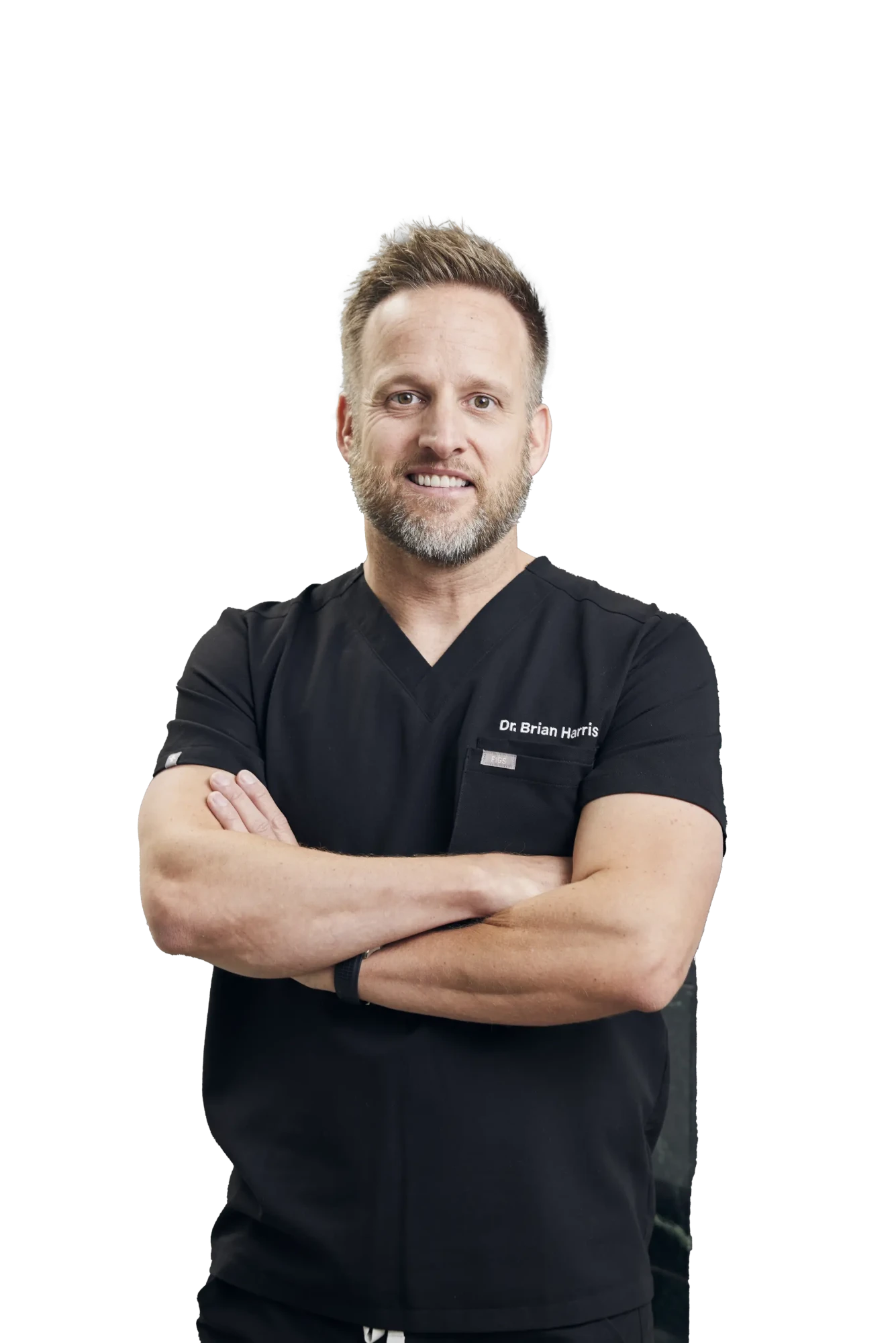
Smile Virtual founder and cosmetic dentist Dr. Brian Harris built the platform around a simple three-stage framework:
- Attract the patients you want to treat
- Connect with them and build trust before the consult
- Convert interest into accepted treatment
The resource walks through each stage, including five trust-building phrases you and your team can start using right away. It also includes perspectives from practicing dentists in Raleigh, San Francisco and The Woodlands, TX.
Your 90-Day Plan for Q1
January resolutions tend to fade by February. A 90-day plan is easier to keep. The resource gives you:
- A month-by-month plan for Q1 2027, so you know what to tackle first and what can wait
- A 12-point readiness scorecard, so you can see where your practice stands today and which gaps matter most
Our suggestion: score your practice in December, before the new year gets busy, so you start January with a plan.
Already a Smile Virtual Customer?
This resource is for you too. Use the 12-point scorecard to find the features you aren’t using yet. Video consults, automated follow-up and analytics and reporting are common examples. Then bring that list to your Smile Virtual team so you can turn them on before Q1 starts. Most practices already have more trust-building tools than they use.
FAQ: Dental Practice Technology in 2027
Why do dental patients delay or decline treatment?
Most hesitation comes from uncertainty, not from rejecting dentistry. Patients who don’t understand or trust a diagnosis tend to delay, seek another opinion or switch dentists. Building trust before the consult is the most direct way to raise case acceptance.
How many dentists use AI in their practice?
According to the ADA Health Policy Institute (July 2026), 43.3% of U.S. dentists use AI for at least one task, and another 26.4% plan to. Fewer than 5% use it for treatment recommendations.
Do dental practices need to offer virtual consultations?
Patients increasingly expect to start the conversation from their phone. In our benchmark of 40 U.S. practices, 52.5% offered no virtual consult option, which leaves an opening for practices that do.
What is the Attract, Connect, Convert framework?
It is Dr. Brian Harris’s three-stage method for turning online interest into accepted treatment: attract the right patients, connect with them before the consult, and convert with a clear, trusted treatment plan. The full framework, including five trust-building phrases, is in the free Start 2027 Strong resource.
How should a dental practice plan its technology for Q1 2027?
Start with an honest readiness check, then work month by month instead of trying to change everything in January. The free resource includes a month-by-month Q1 plan and a 12-point readiness scorecard.
Key Insights
Patients don’t avoid treatment because they doubt dentistry. They avoid it because they doubt the decision. The technology that matters in 2027 is the technology that removes that doubt early: virtual consults that meet patients on their phones, AI that handles the busywork and helps patients understand their care, and follow-up that runs while you’re with patients.
You bring the clinical excellence. The right tools build the trust that gets patients to say yes. Start 2027 with a plan, not a resolution.
Start 2027 with a plan, not a resolution. Get the free 15-page resource with benchmark data from 40 U.S. practices, the Attract, Connect, Convert framework, five trust-building phrases and a month-by-month Q1 plan with a 12-point readiness scorecard. It’s delivered to your inbox instantly.
Want to see it in action? Book a Demo.